


Summer Learning Loss Prevention: Effective Strategies to Prevent the Summer Slide
7 days ago
4 min read
Summer break is a time for fun, relaxation, and family adventures. However, it can also be a period when children, especially those who face learning challenges, experience a decline in academic skills. This phenomenon, often called the "summer slide," can set back progress made during the school year. As someone deeply invested in supporting youth with diverse learning needs, I want to share practical, effective strategies to help maintain and even boost learning during the summer months.
Understanding Summer Learning Loss Prevention
Summer learning loss prevention is crucial for maintaining academic momentum. When children take a long break from structured learning, they risk losing skills in reading, math, and other subjects. This loss can be more pronounced for children on the autism spectrum or those who struggle academically. The good news is that with intentional planning and engaging activities, summer can become a time of growth rather than regression.
To start, it’s important to recognize that learning doesn’t have to happen only in a classroom. It can be woven into everyday experiences, making it enjoyable and relevant. Here are some foundational strategies to keep learning alive:
Set a daily or weekly learning schedule that balances fun and education.
Incorporate interests and strengths of the child to increase engagement.
Use a variety of learning formats such as games, hands-on projects, and technology.
Encourage reading for pleasure with books that match the child’s interests and reading level.
By establishing a routine that feels natural and rewarding, children are more likely to stay motivated and retain what they’ve learned.
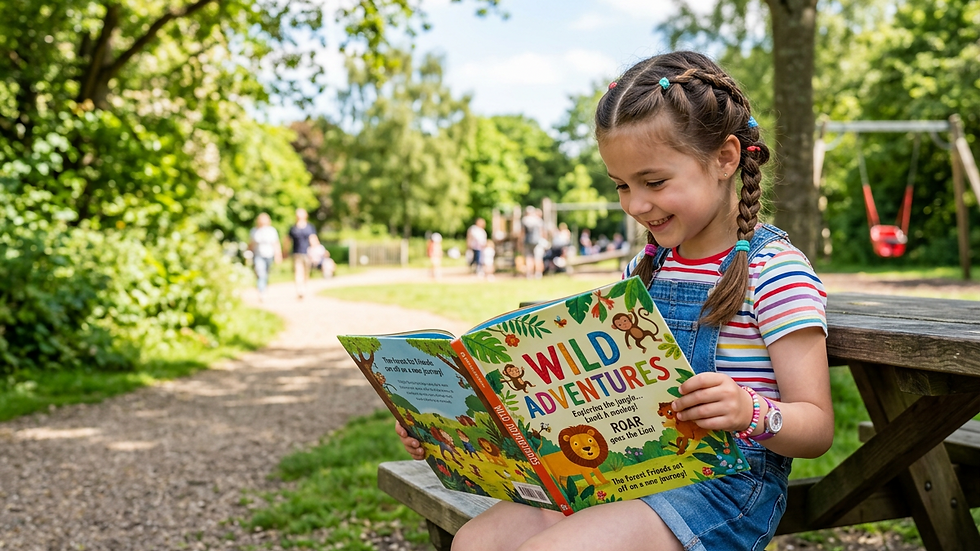
Practical Activities for Summer Learning Loss Prevention
Keeping learning active during summer doesn’t mean turning the break into a second school year. Instead, it’s about integrating educational activities into daily life in ways that feel like play. Here are some practical ideas that work well for children who need extra academic support:
Reading and Literacy
Create a summer reading challenge with achievable goals and rewards.
Visit local libraries or bookstores for storytime sessions or book clubs.
Use audiobooks and read-along apps to support different learning styles.
Encourage journaling or creative writing about summer experiences.
Math and Problem Solving
Involve children in cooking to practice measuring, fractions, and following instructions.
Play board games or card games that require counting, strategy, or money management.
Use everyday shopping trips to practice budgeting and price comparison.
Explore nature with math by measuring plants, counting insects, or tracking weather patterns.
Social and Emotional Learning
Plan group activities or playdates to build social skills.
Practice mindfulness and relaxation techniques to manage stress.
Set goals and celebrate achievements to build confidence and motivation.
These activities not only reinforce academic skills but also support overall development, making summer a well-rounded learning experience.

Tailoring Strategies for Children on the Autism Spectrum
Children on the autism spectrum often benefit from structured, predictable routines and learning approaches that cater to their unique needs. When planning summer learning activities, consider these tailored strategies:
Use visual schedules and timers to provide clear expectations and transitions.
Incorporate special interests into learning tasks to boost engagement.
Break tasks into small, manageable steps with frequent breaks.
Provide sensory-friendly environments to reduce distractions and anxiety.
Use technology and apps designed for individualized learning support.
Consistency and positive reinforcement are key. Celebrate small successes and adjust plans based on the child’s responses and preferences. Collaboration with educators or therapists can also provide valuable insights and resources.
Leveraging Technology for Summer Learning
Technology can be a powerful tool for summer learning loss prevention. It offers interactive, personalized experiences that can adapt to a child’s pace and style. Here are some ways to use technology effectively:
Educational apps and games that focus on reading, math, and critical thinking.
Virtual tutoring sessions to provide targeted academic support.
Online book clubs or discussion groups to encourage reading and social interaction.
Video lessons and tutorials for visual and auditory learners.
It’s important to balance screen time with offline activities and ensure that technology use is purposeful and supervised. Setting clear limits and choosing high-quality content can maximize benefits.
Building a Supportive Learning Environment at Home
Creating a home environment that encourages learning is essential for summer success. Here are some tips to foster a positive atmosphere:
Designate a quiet, comfortable learning space free from distractions.
Keep learning materials accessible such as books, puzzles, and art supplies.
Establish consistent routines that include time for learning, play, and rest.
Encourage curiosity and questions by exploring topics together.
Model a positive attitude toward learning by sharing your own interests and discoveries.
Parents and caregivers play a vital role in motivating children and providing the support they need to thrive. Open communication and flexibility help tailor the approach to each child’s evolving needs.
Inspiring Lifelong Learning Beyond Summer
The goal of summer learning loss prevention is not just to maintain skills but to inspire a love of learning that lasts a lifetime. By making learning enjoyable and relevant, children develop confidence and independence that carry into the school year and beyond.
Remember, every child’s journey is unique. Celebrate progress, no matter how small, and stay patient and encouraging. If you want to explore more about preventing the summer slide, there are many resources and communities ready to support you.
By embracing these strategies, we can turn summer into a season of growth, discovery, and joy.

Comments